Skin Quality: Learn to Master the Concept Through Hands-On Training
August 27, 2025
In recent years, the concept of skin quality has moved beyond a fashionable term to become one of the most important pillars of aesthetic dermatology. Beyond eliminating rhytides or skin laxity, patients' new expectations are clear: they want healthy, luminous, even-toned, and resilient skin.
This shift in patients' perspectives also requires a change in how healthcare professionals practice. Mastering individual techniques is not enough; clinicians must understand protocols that improve overall skin quality. This is precisely what the Changeover Immersion program, scheduled for October 25, offers: a practical, scientific, and transformative experience.
What Is Skin Quality?
Skin quality encompasses all aspects of the skin, including:
- Texture: smoothness and absence of irregularities.
- Luminosity: natural radiance and luster.
- Evenness: absence of hyperpigmentation and an even skin tone.
- Hydration: well-nourished skin without dryness.
- Elasticity and firmness: preserved tissue support.
Whereas aesthetic treatment previously focused on “eliminating signs of aging,” patients now seek skin that appears naturally healthy. This is only possible when the clinician understands how to integrate regenerative protocols, biostimulators, and individualized clinical strategies.
Why Patients Want More Than Rejuvenation
Recent studies show that patients associate good skin quality with vitality, health, and even self-confidence. In other words, skin quality is not only about aesthetics; it is also about quality of life.
A patient may have fewer rhytides, but if the skin lacks luminosity, uniform texture, and luster, the aesthetic outcome will be perceived as unsatisfactory. This underscores the importance of treating the skin comprehensively, beyond its surface appearance.
Limitations of Traditional Approaches
Many conventional protocols still focus on correcting visible signs such as fine lines or isolated areas of hyperpigmentation. However, when applied without an integrated approach, they may produce unnatural or unsatisfactory results.
In addition, a lack of practical experience in skin quality often prevents clinicians from adapting techniques to each patient's needs. Common challenges include selecting safe combinations for different skin phototypes and integrating regenerative protocols with advanced aesthetic treatments.
The Importance of Hands-On Immersion
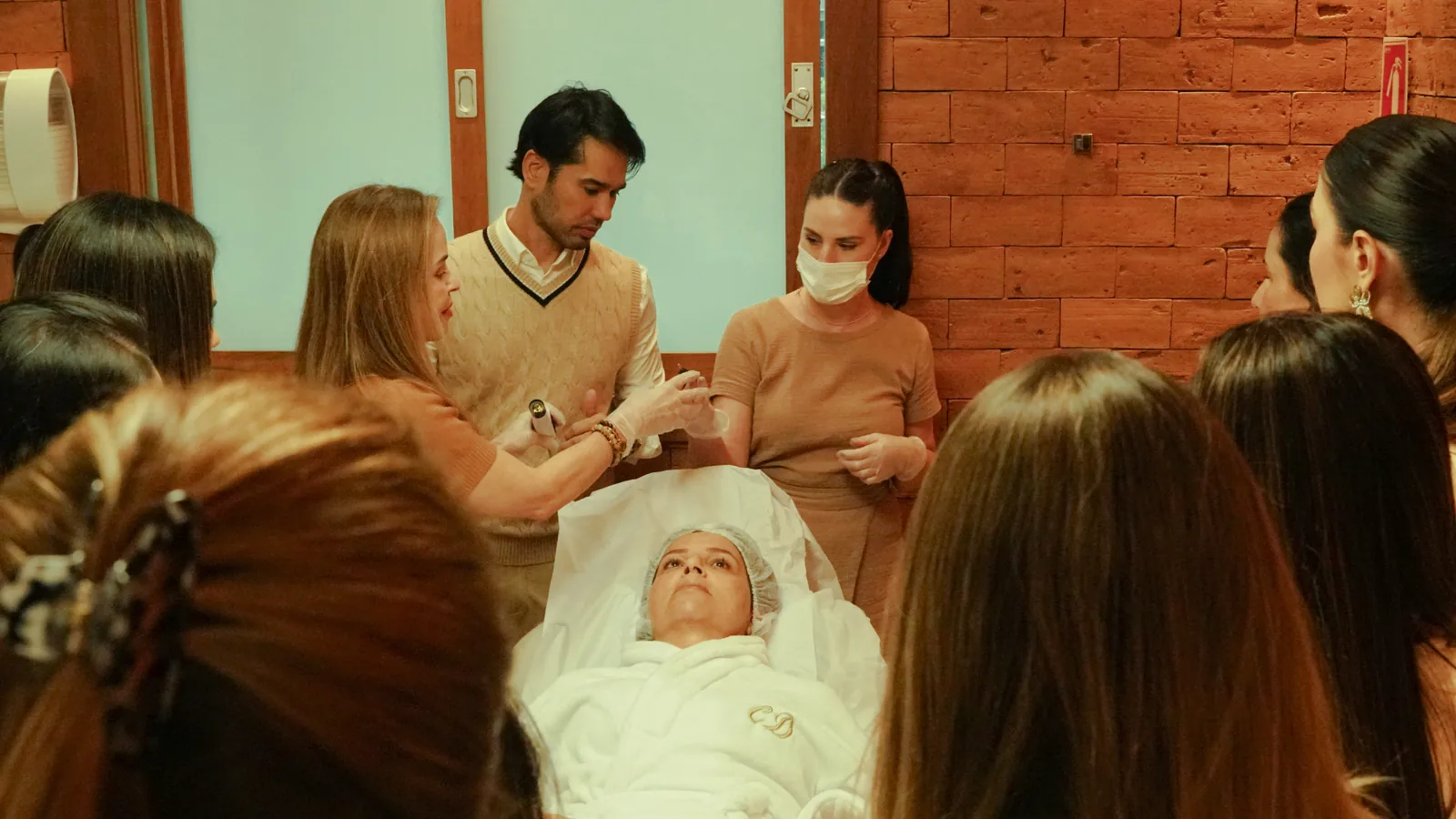
This is where the Changeover Immersion program differs. Rather than simply conveying theoretical knowledge, the event uses a 100% hands-on format, allowing clinicians to:
- Observe complete protocols being performed.
- Practice techniques on actual patients participating as models.
- Receive immediate feedback from Dr. Cyro and Dr. Denise.
- Exchange experiences with colleagues facing the same clinical challenges.
This experience translates theory into practical skills, giving clinicians the confidence to implement skin quality protocols immediately after the immersion program.
Benefits of Participating in the Changeover Immersion Program
- Advanced education in skin quality with a scientific foundation.
- Practical experience to master complex protocols.
- Clinical safety when applying protocols across different skin types.
- Networking with recognized professionals in aesthetic medicine.
- Exclusive updates on regenerative medicine techniques applied to the skin.
Participant testimonial:
“It was a turning point in my career. Seeing a gentler, less aggressive approach with immediate results in practice changed how I care for my patients.” — Cíntia Mello, dermatologist
How the Regenerative Philosophy Connects to Skin Quality
The distinguishing feature of Changeover Education is its integration of regenerative medicine into aesthetic care. This means viewing the skin as a living organ that requires cellular stimulation, reduction of chronic inflammation, and support to maintain long-term outcomes.
When this perspective is applied to skin quality, the result is skin that is not only aesthetically pleasing but also resilient, healthy, and protected against recurrence.
Frequently Asked Questions (FAQ)
1. What does skin quality mean?
It refers to the overall quality of the skin, encompassing texture, luminosity, hydration, evenness, and firmness, and extends beyond rejuvenation alone.
2. What is the difference between treating rhytides and improving skin quality?
Treating rhytides addresses specific signs, whereas improving skin quality enhances overall cutaneous health, producing a more natural and longer-lasting result.
3. Which professionals is the Changeover Immersion program intended for?
Physicians seeking updated protocols in regenerative aesthetic medicine, with a focus on immediate clinical application.
4. Is the immersion program purely theoretical?
No. Its key distinguishing feature is the hands-on format, which provides practical experience with actual patients participating as models.
5. Can the training be applied immediately after the immersion program?
Yes. Participants leave prepared to implement skin quality protocols safely and efficiently.
Conclusion
The concept of skin quality represents a fundamental shift in aesthetic medicine: the goal is not simply to correct imperfections, but to provide patients with healthy, luminous, and vital skin.
Mastering this field requires technical knowledge as well as supervised practice. This is precisely what the Changeover Immersion program (December 13) provides: a day of intensive learning, exchange of experiences, and clinical practice with actual patients. If you want to be among the clinicians who deliver superior outcomes and distinguish themselves through excellence, reserve your place in the Changeover Immersion program using the button below.
Learn about Changeover Immersion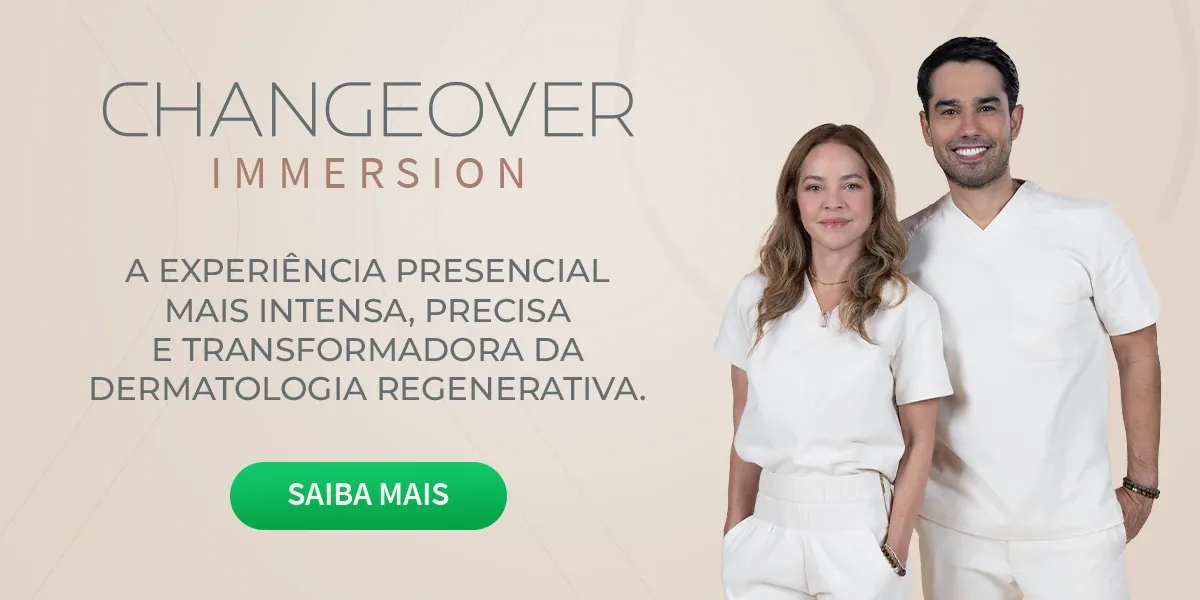
Looking for a physician who applies the protocol? Find a member physician