Inflammaging and Cutaneous Aging: The Role of Chronic Inflammation in Therapeutic Failure in Dermatology
March 26, 2026
Cutaneous aging is not merely chronological. It is largely inflammatory.
The concept of inflammaging is the organizing principle of regenerative dermatology. Inflammaging describes a state of persistent, systemic, low-grade chronic inflammation that accompanies biological aging and profoundly alters the cutaneous microenvironment.
It is not clinically evident inflammation. It is a continuous, subclinical molecular process that reorganizes the extracellular matrix, modifies intercellular signaling, and compromises therapeutic predictability.
For dermatologists with an established practice, inflammaging explains a recurring phenomenon: why apparently similar tissues respond completely differently to the same protocol.
Inflammaging: the cutaneous microenvironment under continuous stress
Inflammaging is sustained by:
- Persistent production of proinflammatory cytokines;
- Chronic oxidative stress;
- Mitochondrial dysfunction;
- Basal immune activation;
- Altered cellular communication.
In the skin, this translates into a constant inflammatory microenvironment that alters the balance between extracellular matrix synthesis and degradation.
Fibroblasts begin to function in an unfavorable environment, matrix metalloproteinases (MMPs) tend to be more active, and collagen organization becomes less efficient.
Angiogenesis is dysregulated. The result is not merely “skin laxity.” It is loss of structural quality.
Inflammaging and Cellular Senescence: the role of the SASP
A central point is the connection between inflammaging and cellular senescence.
Senescent cells remain metabolically active and secrete inflammatory mediators—a phenomenon known as the SASP (senescence-associated secretory phenotype).
This secretory profile includes cytokines, chemokines, and enzymes that perpetuate local inflammation.
The SASP creates a cycle:
- Low-grade chronic inflammation;
- Alteration of the extracellular matrix;
- Impaired fibroblast function;
- Reduced regenerative capacity;
- Amplification of tissue aging.
In other words, inflammaging is not merely a consequence of aging. It is also a driver of its progression.
How Inflammaging Affects Cosmetic Dermatology Procedures
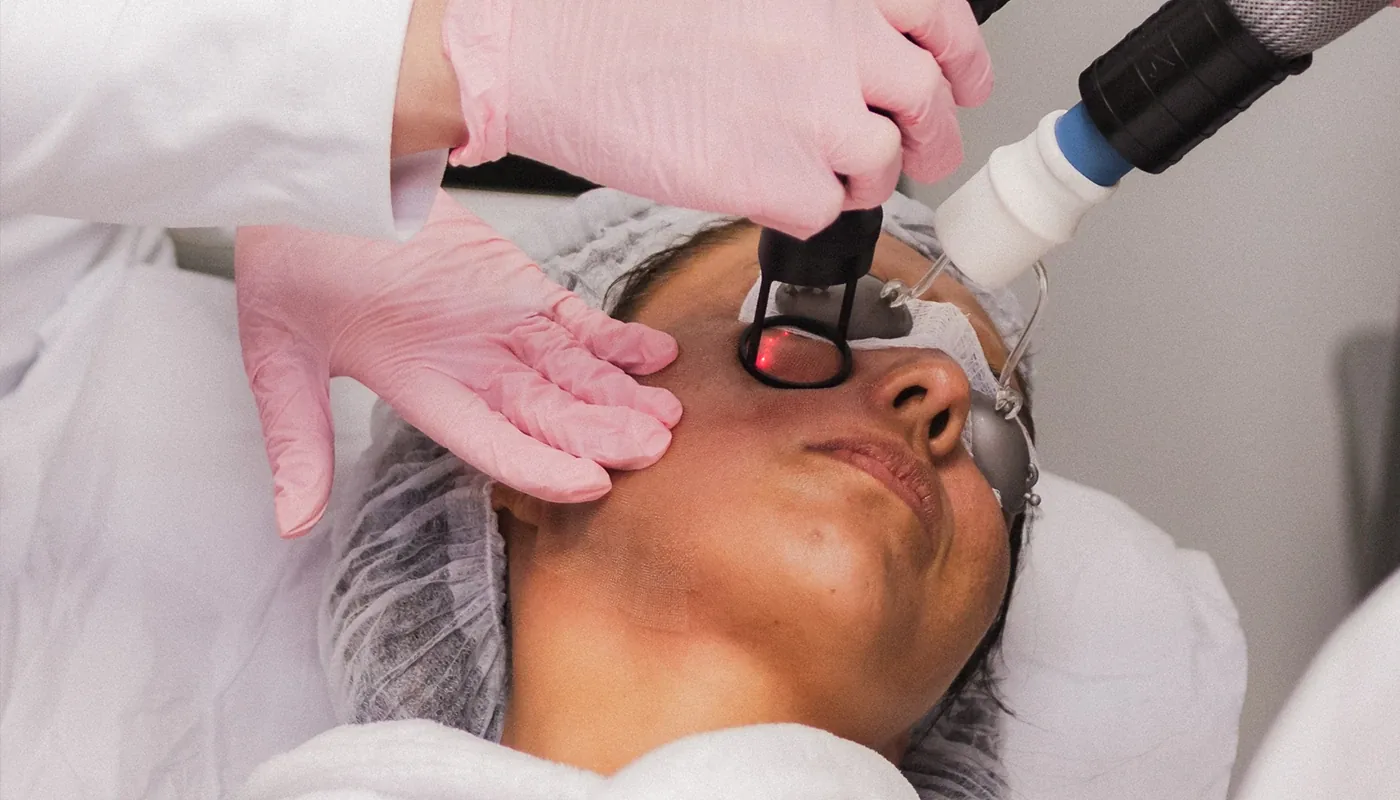
For dermatologists who use biostimulatory treatments, lasers, and combination protocols, inflammaging has direct implications.
Tissues with underlying chronic inflammation may exhibit:
- An exaggerated postprocedural response;
- Prolonged recovery time;
- A higher risk of post-inflammatory hyperpigmentation (PIH);
- Less effective collagen reorganization;
- Early recurrence of conditions such as melasma.
The problem does not necessarily lie in the technique. It lies in the microenvironment.
Stimulating biologically inflamed tissue does not produce the same response as stimulating tissue in a state of homeostasis.
Inflammaging and Melanogenesis: the link to pigmentation
Inflammation is one of the main triggers of melanocyte activation. In the context of inflammaging, persistent production of inflammatory mediators maintains melanocytes in a hyperreactive state.
This helps explain:
- Recurrent hyperpigmentation;
- Worsening of hyperpigmentation after procedures;
- Pigmentary instability in aging skin.
Without modulation of the basal inflammatory state, pigmentation control remains incomplete.
Inflammaging and Regenerative Predictability
Regenerative dermatology presupposes the capacity to respond.
Lasers, collagen biostimulators, thermal technologies, and photobiomodulation depend on tissue with functional reserve. When inflammaging predominates, repair capacity is compromised.
This may manifest as insufficient stimulation, a short-lived response, the need for longer intervals, and more frequent maintenance.
Recognizing inflammaging allows adjustments to strategy, timing, and expectations.
The Systemic Dimension of Inflammaging
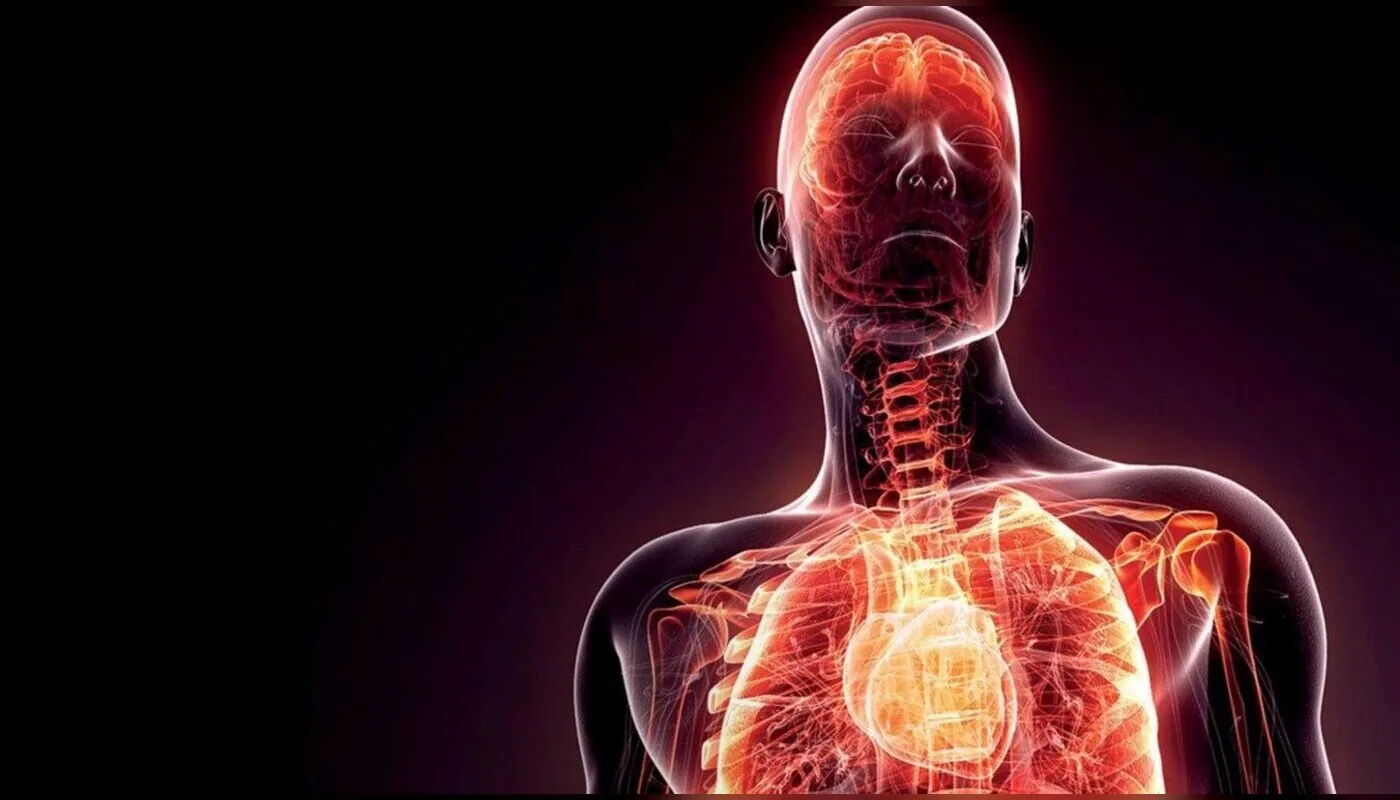
Inflammaging is not exclusively cutaneous. It is systemic.
Inadequate sleep, chronic stress, intestinal dysbiosis, insulin resistance, and a sedentary lifestyle sustain the basal inflammatory state. The skin merely expresses this imbalance.
This broadens the dermatologist's role. The consultation is no longer solely aesthetic; it also involves interpreting the patient's biological state.
This does not mean replacing other specialties, but understanding that: the internal environment determines the external response.
A Shift in the Clinical Question
The concept of inflammaging shifts the central question in cosmetic dermatology.
From: “Which technology should be used for this rhytid?”
To: “What is the inflammatory and regenerative state of this tissue?”
This shift changes indications, timing, and expectations.
Conclusion: Inflammaging as the organizing principle of regenerative dermatology
Inflammaging is not a theoretical concept. It is a clinical determinant.
It connects cellular senescence, matrix degradation, pigmentary instability, and therapeutic failure.
It explains why some patients have better outcomes while others exhibit a limited response.
For experienced dermatologists, recognizing inflammaging means moving beyond a purely technique-based model toward a biological model.
The skin ages within an inflammatory environment.
And it is within this environment that the intervention must act.
Frequently Asked Questions | Inflammaging
Is inflammaging clinically visible?
Not necessarily. It is molecular and may precede evident clinical signs.
Does inflammaging reduce the response to collagen biostimulators?
It may reduce predictability, particularly in tissues with persistent chronic inflammation.
Is there a direct relationship between inflammaging and melasma?
Chronic inflammation contributes to melanocyte activation and pigmentary instability.
Is inflammaging exclusively cutaneous?
No. It is a systemic phenomenon with cutaneous manifestations.
Does modulation of inflammaging improve aesthetic outcomes?
Recognizing the basal inflammatory state allows adjustment of the therapeutic strategy and increased predictability.

Looking for a physician who applies the protocol? Find a member physician