Melasma Recurrence: The Actual Causes and How to Address Protocol Deficiencies
January 14, 2026
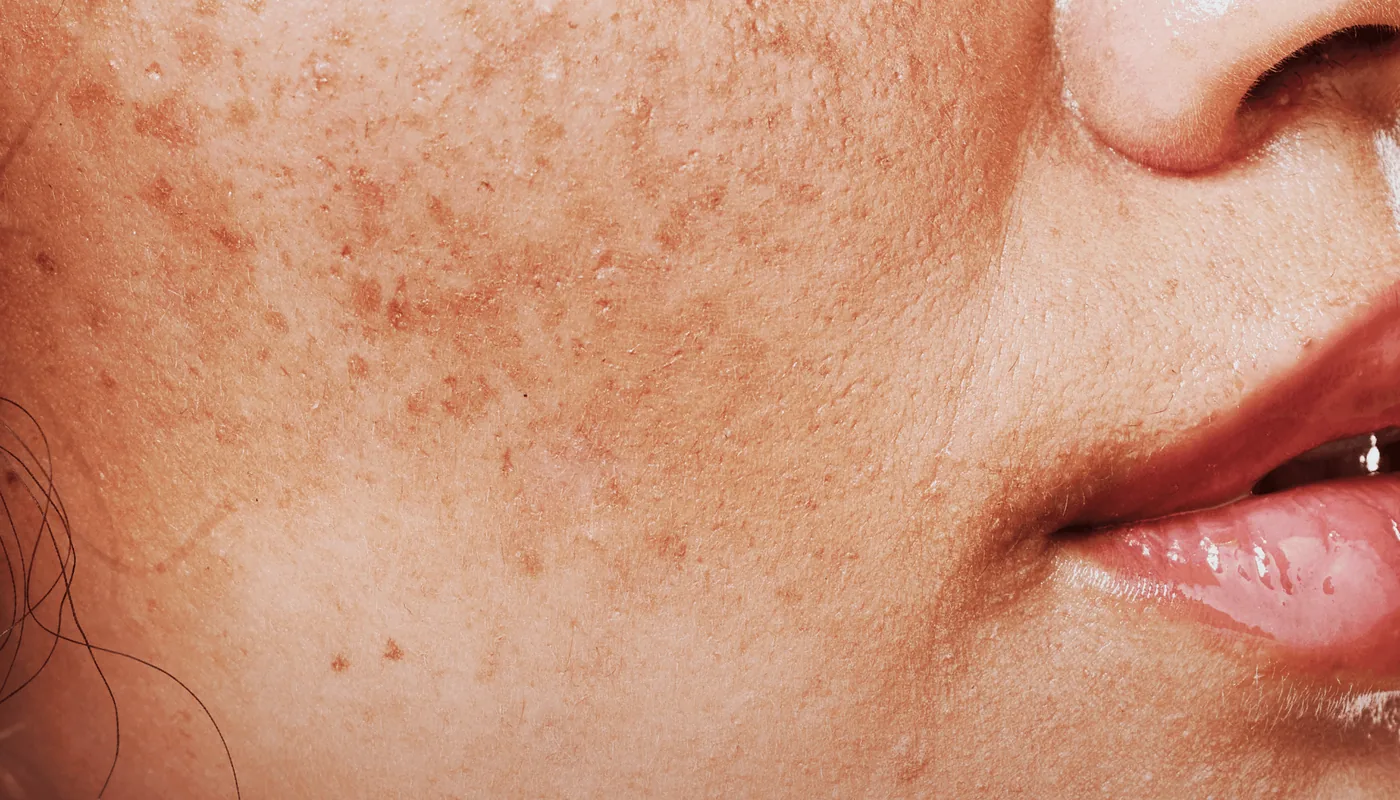
Melasma recurrence is perhaps the most frustrating aspect for dermatologists.
The patient experiences reduced pigmentation, shows visible improvement, gains confidence, and weeks or months later returns with recurrent hyperpigmentation, altered skin texture, and the feeling that “nothing works.”
For the physician, this creates frustration, uncertainty, and even the mistaken perception that the selected treatment was inappropriate.
But the problem rarely lies in the technique. The problem lies in the rationale.
Melasma is a chronic, multifactorial condition that is highly dependent on the patient's inflammatory status. It is not merely accumulated pigment. It is the result of a biological milieu that sustains inflammation, cellular senescence, hyperactive mast cells, altered microbiota, and barrier dysfunction.
In this context, understanding why melasma recurrence occurs is essential to developing a treatment with truly lasting effects.
Why melasma recurrence is so common
Melasma recurrence does not occur solely because of sun exposure. It occurs because:
- The skin barrier remains compromised;
- Low-grade inflammation remains active;
- Inflammation-induced melanogenesis has not been controlled;
- The patient resumes using irritating products;
- Thermal technologies activate mast cells and cytokines;
- Acids or chemical peels cause repeated microinjury.
Even when the initial reduction in pigmentation is substantial, the pathophysiology of melasma remains active. Pigmentation recurs because the process has not been interrupted. And as long as the mechanism remains active, any trigger—visible light, inflammation, irritation, heat, stress—will be sufficient to reactivate the condition.
Therefore, melasma recurrence is not a failure on the patient's part. It is a failure to understand the mechanism.
A compromised barrier is the first trigger of melasma recurrence
Patients with melasma rarely have a healthy skin barrier.
They exhibit:
- Elevated TEWL;
- Dysregulated pH;
- Depleted microbiota;
- An inadequate stratum corneum (extrato córneo);
- Increased sensitivity.
When dermatologists initiate depigmenting treatment without restoring the barrier, they are treating vulnerable skin. This skin is unable to maintain pigment suppression, becomes inflamed, and responds with renewed melanogenesis.
What many call a “skin reaction to heat,” a “reaction to sunscreen,” or “emotional melasma” is actually melasma recurrence due to barrier dysfunction.
The role of persistent inflammation in recurrence
Melasma is a sustained inflammatory condition. The patient has:
- Elevated cytokine levels;
- Hyperactive mast cells;
- Senescent fibroblasts releasing SASP factors;
- Chronic oxidative stress.
When treatment does not modulate these factors, reducing pigmentation is like extinguishing a fire without shutting off the gas supply. Inflammation continues to sustain the process.
This is why many patients experience reduced pigmentation but develop increased pigmentation again with even a minor trigger.
The inflammation was never interrupted. And as long as it persists, melasma recurrence will be inevitable.
Why inappropriate use of acids and chemical peels causes melasma recurrence
When dermatologists apply acids or chemical peels to skin that is already inflamed and has a compromised barrier, they:
- Intensify oxidative stress;
- Activate the proinflammatory paracrine pathway;
- Stimulate mast cells and histamine activity;
- Promote pigment migration into deeper layers.
What occurs in the following weeks is not a “poor response”; it is induced recurrence. And this occurs even in adherent patients who use sunscreen and avoid sun exposure, because recurrence does not depend solely on radiation; it depends on inflammation.
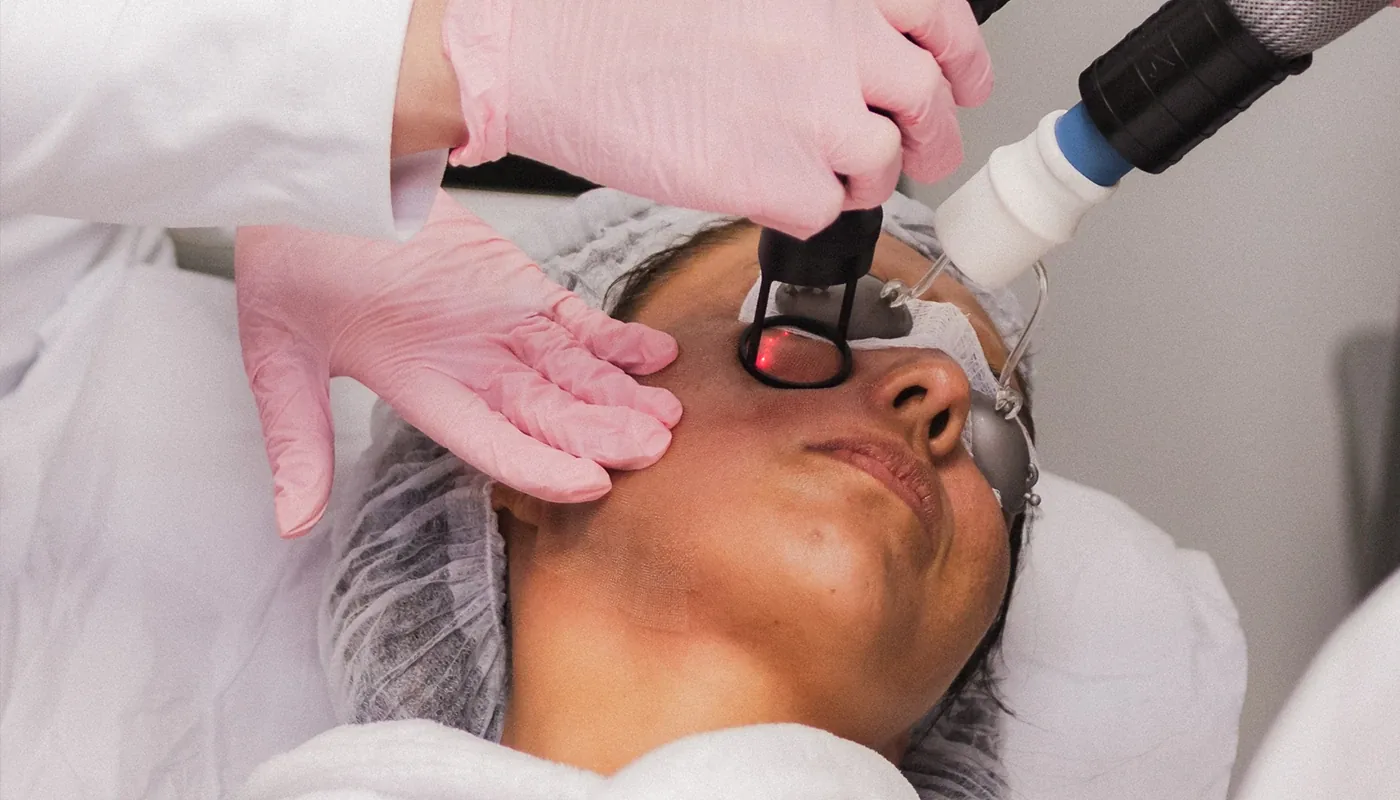
Lasers and melasma recurrence: the impact of heating
Many available technologies generate dermal heating. The problem is that melasma does not tolerate heat.
When dermatologists heat the upper dermis, they:
- Activate mast cells;
- Intensify inflammation;
- Stimulate senescent fibroblasts;
- Exacerbate inflammation-induced melanogenesis.
Therefore, thermal technologies—even “safe” ones—can trigger melasma recurrence.
The point is not that laser treatment is prohibited, but that selection should be based on physiology, not on technology marketing.
The absence of a regenerative phase is one of the leading causes of recurrence
Many treatments stop at the suppression phase. Pigmentation decreases and the physician's clinical reasoning stops there, but melasma requires three phases:
- Suppression – to control pigmentation;
- Regeneration – to strengthen the barrier and modulate inflammation;
- Maintenance – to prevent relapse.
When the regenerative phase is absent, the skin does not develop structural support or undergo adequate repair.
The result is simple: melasma returns to its exact baseline state. Melasma recurrence is often a manifestation of an incomplete protocol.
How to consistently prevent melasma recurrence
A comprehensive plan must include:
- Complete barrier restoration;
- Effective control of inflammation;
- Selective pigment suppression;
- Nonthermal technologies;
- Stable antioxidants;
- Protection against visible light;
- Stabilization of the microbiota;
- A regimen to prevent sensitization.
When these elements work together, the skin stops being reactive and begins responding to treatment. The patient finally achieves stability, and the physician gains predictability.
Why understanding recurrence changes everything
Recurrence is not an isolated obstacle, but a sign of what is occurring internally.
When physicians understand this, they stop treating only the pigmentation and begin treating the process.
And this is precisely what defines the best outcomes: clinical reasoning.
For those managing challenging cases, mastering this understanding is what distinguishes unstable reductions in pigmentation from substantive changes.
Melasma recurrence does not have to be the rule. It is a consequence and, when the process is addressed correctly, it can be controlled.
Questions and answers | Melasma recurrence
1. Does every recurrence depend on sun exposure?
No. Recurrence depends primarily on inflammation, a compromised barrier, and irritating stimuli.
2. Do chemical peels always cause recurrence?
Not always, but frequently, especially in patients with sensitive skin or active inflammation.
3. Can recurrence be prevented?
Yes. When treatment includes barrier restoration, inflammatory modulation, and a regenerative phase.
4. Does laser treatment cause melasma recurrence?
Any technology that heats the upper dermis can trigger recurrence, even with a good initial outcome.
5. Can an adherent patient also experience recurrence?
Yes, if the pathophysiology has not been modulated. Adherence does not compensate for inflammation.

Looking for a physician who applies the protocol? Find a member physician